We come to Obadiah, consisting of just one chapter, 21 verses. Hence references include only the verse numbers. I’ve read it, of course, but I’ve never blogged it or taught it. I don’t think I’ve ever heard a sermon on it.
Who Obadiah is about is immediately clear:
The vision of Obadiah. Thus says the Lord GOD concerning Edom… (Obadiah 1)
Before we go further into the message of Obadiah, let’s recall that Jacob, renamed “Israel,” patriarch of the 12 tribes, had a twin brother Esau, who was also called Edom.
Once when Jacob was cooking stew, Esau came in from the field, and he was exhausted. And Esau said to Jacob, “Let me eat some of that red stew, for I am exhausted!” (Therefore his name was called Edom.) (Genesis 25.29, 30, ESV)
“Edom:” an alternate name for Esau and also the country where he lived.
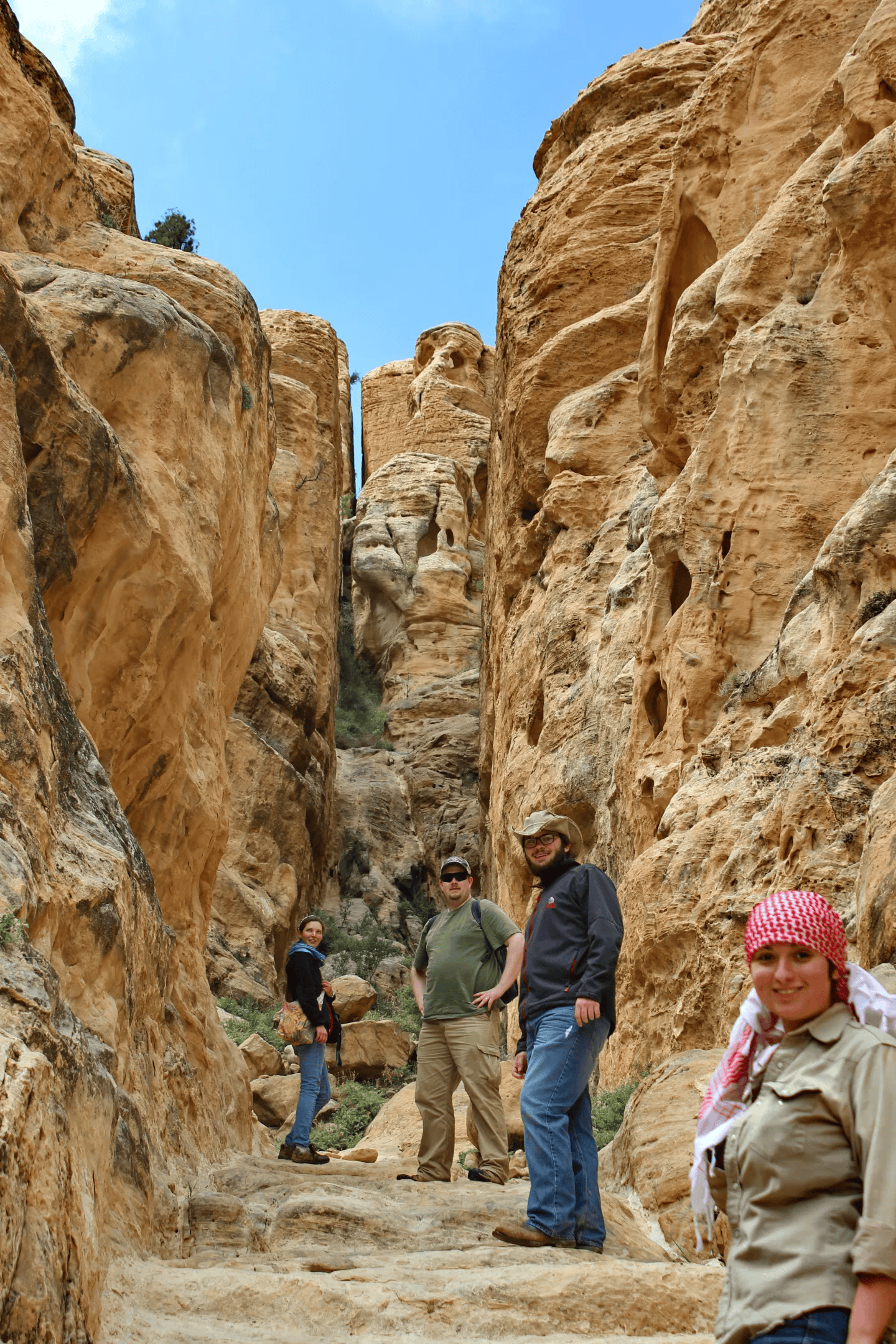
The first observation is about the high cliffs of Edom:
The pride of your heart has deceived you, you who live in the clefts of the rock, in your lofty dwelling, who say in your heart, “Who will bring me down to the ground?” Though you soar aloft like the eagle, though your nest is set among the stars, from there I will bring you down, declares the LORD. (Obadiah 3, 4, ESV)
The Hebrew word for “rock” is Sela. We had an orthodox Jewish neighbor in Charleston, SC, who told me “Selah” in the psalms just means “rock.” A rock of truth. Stop and think about it.
Strong’s Concordance definitions. First, from the Psalms:
h5542. סֶלָה selâ; from 5541; suspension (of music), i.e. pause: — Selah.
AV (74) – Selah 74;
to lift up, exalt Selaha technical musical term probably showing accentuation, pause, interruption
Then from Obadiah:
h5553. סֶלַע sela‘; from an unused root meaning to be lofty; a craggy rock, literally or figuratively (a fortress): — (ragged) rock, stone(-ny), strong hold.
Here’s a photo of the entrance to “Sela,” a natural fortress in ancient Edom:
The main message of Obadiah is that the Edomites were practicing what we call today Schadenfreude: the German word for enjoying the suffering or misfortune of others.
The problem was the Edomites rejoicing over Judah’s captivity, made doubly bad because “Jacob” was “Edom’s” brother:
Because of the violence done to your brother Jacob, shame shall cover you, and you shall be cut off forever. On the day that you stood aloof, on the day that strangers carried off his wealth and foreigners entered his gates and cast lots for Jerusalem, you were like one of them.
But do not gloat over the day of your brother in the day of his misfortune; do not rejoice over the people of Judah in the day of their ruin; do not boast in the day of distress. Do not enter the gate of my people in the day of their calamity; do not gloat over his disaster in the day of his calamity; do not loot his wealth in the day of his calamity. Do not stand at the crossroads to cut off his fugitives; do not hand over his survivors in the day of distress. (Obadiah 10 – 14, ESV)
And for that, Edom will be judged:
For the day of the LORD is near upon all the nations. As you have done, it shall be done to you; your deeds shall return on your own head. (Obadiah 15, ESV)
The application is clear.
PS Decades ago we attended a live session of Walk Through the Old Testament. Here’s what he said about Obadiah. “The Edomites ridiculed the Israelites when they were taken into captivity. That was bad. Oh, that was bad. Oh, bad… Oh bad iah.”